When it comes to packaging sensitive skincare, many brands overlook crucial aspects. Recent market research highlights that over 30% of consumers prioritize packaging compatibility with sensitive skin. This underscores the need to ask, "what packaging is best for sensitive skincare formulas?"
According to renowned packaging expert Dr. Emma Lawson, “Choosing the right packaging can significantly reduce allergic reactions in sensitive skincare.” Her insights reveal that airless containers and UV-protective materials can extend product life while safeguarding delicate formulas. Brands must also consider user experience, as packaging should be both functional and aesthetically pleasing.
More than just protection, packaging choices impact consumer trust. Many users feel uncertain about a product's safety based on its packaging. As the skincare industry evolves, there is a growing demand for transparent practices. Reflecting on these points can lead to better outcomes in skincare for sensitive skin.
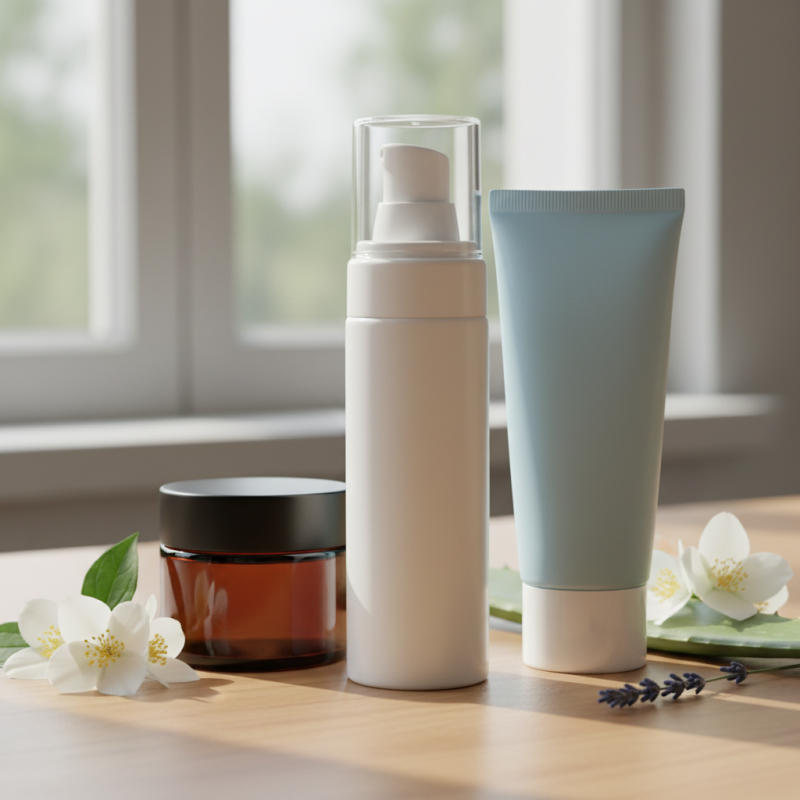
The packaging of sensitive skincare products plays a crucial role in maintaining their efficacy. Sensitive ingredients often lose their potency when exposed to light, air, or varying temperatures. For instance, antioxidants can degrade quickly when not stored properly. This degradation can lead to ineffective products that fail to deliver desired results. Therefore, choosing the right packaging is essential.
Airless pumps are a popular choice for sensitive skincare. They minimize exposure to air, preserving the integrity of the product. This type of packaging also reduces the likelihood of contamination, which is vital for skincare that targets delicate skin. Dark glass containers are another option. They protect against light degradation while adding an aesthetic appeal. However, not all glass offers the same level of protection, so consumers must research before deciding.
Yet, it’s important to acknowledge the challenges. Some eco-friendly packaging options may compromise the protection needed for sensitive formulas. Balancing sustainability and product effectiveness is not straightforward. Additionally, not all manufacturers prioritize packaging quality. This inconsistency means consumers must remain vigilant and well-informed about the products they choose. Making thoughtful decisions about packaging can significantly impact skincare product effectiveness and skin health.
When choosing packaging for sensitive skincare, materials matter significantly.
Glass is often favored due to its inert nature.
According to a study by Smithers Pira, glass packaging can preserve product integrity for a longer duration, reducing the risk of contamination.
However, glass can be heavy and breakable, raising transportation costs and safety concerns.
Plastic offers flexibility and cost-effectiveness. Yet, not all plastics are created equal.
Many contribute to environmental issues and may not be safe for sensitive skin. The global biodegradable packaging market is expected to reach
USD 400 billion by 2026, as consumers increasingly seek sustainable options.
Materials like recycled paper and plant-based plastics can reduce ecological footprints.
Each option comes with trade-offs. While glass retains product quality, it lacks practicality in certain situations.
Plastic remains convenient but may compromise skin health. Biodegradable choices
are promising but can still raise questions about long-term efficacy and durability. It's vital to weigh these factors carefully when selecting the
best packaging for your sensitive skincare products.
When selecting packaging for sensitive skincare, consider how UV light affects product performance. UV rays can destabilize active ingredients, promoting oxidation and diminishing efficacy. To ensure longevity, protective packaging is crucial.
One smart solution is using dark or opaque containers. These materials block harmful light and prevent degradation. Airless packaging is also beneficial; it minimizes exposure to oxygen and keeps ingredients fresh. Many people overlook this aspect, leading to wasted products.
Tips: Always examine the packaging of your skincare products. Look for UV-protective features. Avoid clear containers for sensitive formulations. Store products in a cool, dark place to prolong their shelf life. Noticing changes in texture or smell is vital. These signs may indicate the product is no longer effective.
| Packaging Type | Material | UV Protection | Efficacy Longevity (Months) | Recyclable |
|---|---|---|---|---|
| Airless Pump Bottles | Plastic | High | 12 | Yes |
| Frosted Glass Jars | Glass | Medium | 18 | Yes |
| Opaque Tube | Plastic | Low | 6 | Yes |
| Metal Tins | Aluminum | High | 24 | Yes |
| Clear Plastic Bottles | Plastic | Very Low | 3 | No |
When selecting packaging for sensitive skincare, tamper-evident features matter greatly. These elements ensure that consumers receive products in an untouched state. Package seals or bands can provide clear indications if a product has been opened. This is crucial for sensitive items, which can be harmed by exposure to contaminants. Consumers often feel more secure knowing that their product integrity is preserved.
Unsealed products might raise doubts about safety. Can the consumer trust this item? Packaging that indicates tampering status can boost consumer confidence. For instance, clear indicators can visually demonstrate that a product is fresh and safe to use. These small details can significantly influence purchasing decisions.
It's not just about safety; it's also about perception. Products that are well-packaged show reliability. However, it’s important to assess the balance between safety features and environmental concerns. Over-packaging can lead to waste. Finding a sustainable solution without compromising tamper-evident functionality is a challenge many brands face. Companies must reflect on how to meet these consumer needs responsibly.
When choosing packaging for sensitive skincare products, sustainability plays a significant role. Eco-friendly materials can reduce your carbon footprint. Biodegradable options, such as plant-based plastics, are gaining traction. These materials degrade naturally, unlike conventional plastics that linger in landfills for centuries.
However, sustainability isn't just about materials. Consider the entire lifecycle of the packaging. Is it recyclable? What happens after the product is used? Finding balance is key. In some cases, protective features may compromise sustainability. For instance, thicker materials may protect products but increase waste. Assessing these trade-offs is essential for responsible packaging choices.
Consumer education is crucial. Many people still lack awareness of sustainable practices. Brands should prioritize clear messaging about their packaging. Transparency builds trust. Customers want to feel confident that their choices matter. It's a collaborative effort between producers and consumers. Mindfully selecting packaging can promote a kinder relationship between skincare and the planet.
: Packaging protects sensitive ingredients from light, air, and temperature changes that can degrade their effectiveness.
Airless pumps and dark glass containers are ideal. They minimize exposure to air and light, preserving product integrity.
UV light can destabilize active ingredients, leading to oxidation and reduced efficacy over time.
Some eco-friendly options may lack the needed protection, posing a risk to product effectiveness. It's a trade-off.
Glass preserves product quality but is heavier and can break easily. Plastic is flexible but may pose skin health risks.
Look for UV protection features and consider practical factors like durability and safety.
No. It’s best to keep products in a cool, dark place to maintain their effectiveness and prevent degradation.
Changes in texture or smell can indicate that the product has degraded and is not safe to use.
Not all manufacturers prioritize packaging quality, so staying informed helps ensure you choose effective products.
Balancing sustainability and efficacy can be difficult, and not all options provide the same level of protection.
Choosing the right packaging is crucial for preserving the efficacy of sensitive skincare formulas. The right packaging not only protects vital ingredients from degradation due to environmental factors but also ensures product longevity. Different packaging materials such as glass, plastic, and biodegradable options each have unique benefits. Glass, for instance, provides excellent UV protection, which is essential for maintaining the integrity of sensitive ingredients.
Furthermore, tamper-evident features are important for ensuring consumer safety and maintaining product integrity. As consumers increasingly prioritize sustainability, considering eco-friendly packaging solutions is vital. Ultimately, determining what packaging is best for sensitive skincare formulas involves weighing factors like material type, UV protection, and sustainability to ensure that products remain effective and safe for users.

Aurelia Glass