Choosing the right packaging for essential oils is not a simple matter of appearance. The bottle must protect delicate aromatic compounds from light, heat, oxygen, and accidental leakage. A beautiful container can still fail if its closure reacts with the oil or allows slow evaporation. So, what packaging works best for essential oils? In most cases, dark glass bottles with well-fitted, oil-resistant closures provide a dependable starting point.
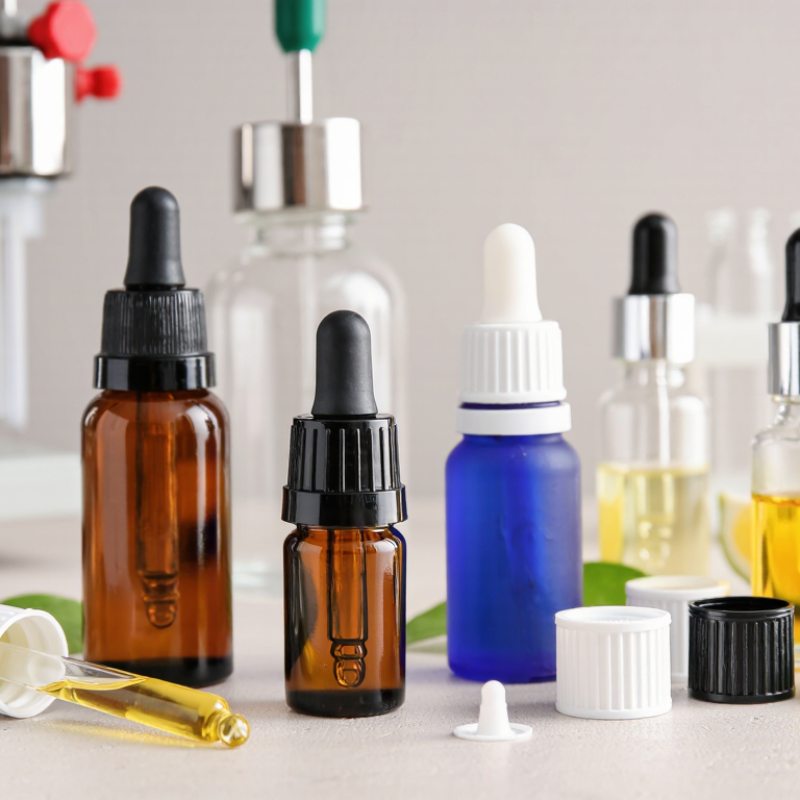
Amber and cobalt-blue glass can reduce light exposure during storage and transport. Glass also offers strong chemical resistance and helps preserve the oil’s original scent. However, the bottle color is only one part of the decision. The cap, reducer, liner, and seal need practical testing. A dropper may suit small retail bottles, while a tamper-evident screw cap can improve handling confidence. Small details matter.
Test before committing.
From packaging development experience, citrus oils, concentrated blends, and viscous oils may behave differently inside the same container. Check for swelling, odor transfer, leakage, and changes in the closure after several weeks. That step is easy to overlook. It should not be. Packaging choices also depend on filling equipment, product volume, shipping conditions, and intended use. Professional suppliers should provide material specifications and compatibility information. Independent testing can strengthen those claims.
There is no universal package for every essential oil. A careful choice balances protection, usability, sustainability, and cost. Even experienced teams sometimes choose attractive packaging too quickly. Reviewing real storage conditions can reveal weaknesses before customers do.
What Essential Oils Need from Their Packaging
Essential oils need packaging that protects their chemistry, not just their appearance. Light, heat, oxygen, and moisture can gradually affect aroma and quality. Dark glass bottles, such as amber or cobalt glass, help reduce ultraviolet exposure. Clear bottles may look attractive, but they offer less protection in bright storage areas.
The closure matters just as much. Essential oils can weaken unsuitable plastics, soften liners, or escape through poorly fitted caps. A compatible glass bottle with a tested insert can control drops and reduce spills. Screw caps should seal firmly without forcing the user to over-tighten them. In practical packaging checks, I look for leakage after storage, not only immediately after filling. Small details matter.
Labels should remain readable after contact with oil. Include the oil name, batch reference, filling date, and basic handling guidance. Keep the bottle away from heat and direct sunlight. Packaging should also feel stable in the hand, especially when one careful drop is needed. I once assumed a thicker bottle always meant better protection. That was an incomplete judgment. A strong bottle can still fail when its liner, cap, or dropper is incompatible. Testing the complete package is more reliable than judging one component alone.
How to Compare Packaging Materials for Oil Stability
How to Choose the Best Packaging for Essential Oils?
Oil stability depends on more than bottle appearance. Oxygen, light, heat, and closure materials can change an oil’s aroma and color. Amber glass offers strong light protection and low chemical interaction. It is often the safest starting point for citrus and floral oils. Aluminum provides excellent light blocking, but its inner coating must resist the formula. HDPE and PET are lighter, yet their suitability needs testing. USP General Chapter <661.1> highlights plastic composition, safety, and chemical compatibility. USP <1663> and <1664> also guide extractables and leachables studies.
Closure design matters equally. A poor liner may swell, harden, or absorb volatile compounds. Check the cap, gasket, and dropper together. Test filled samples at room temperature, elevated heat, and light exposure. Record odor, color, leakage, and weight loss over time. The International Organization for Standardization links packaging quality with controlled production in ISO 15378. UNEP’s 2023 report also estimates that better reuse, recycling, and material reduction could cut global plastic pollution by 80% by 2040. Sustainability matters, but a lighter package is not automatically a stable package.
Tips: Run a small compatibility trial before ordering thousands of units. Compare glass, aluminum, and plastic under the same conditions. Measure after 30, 60, and 90 days. I still treat every result as provisional. One oil may behave well in PET, while another may slowly soften the closure. That detail is easy to miss.
How to Choose the Right Bottle Size and Shape
Choosing the right essential-oil bottle starts with the formula, not the label. Light-sensitive oils need dark glass, while thicker blends benefit from wider openings. USP General Chapter <659> identifies packaging protection from light, moisture, and oxygen as a key quality consideration. Amber or cobalt glass can reduce light exposure during storage.
Size affects freshness and usability. A 10 ml bottle suits personal use and limits repeated air exposure. A 30 ml bottle works better for frequent use but may oxidize faster after opening. Market research from Grand View Research estimates that the global essential oils market was valued at over USD 20 billion in 2022, showing why practical packaging choices matter across many product formats. Smaller bottles also reduce product waste when customers use oils slowly.
Shape changes handling. A short, stable cylinder is easier to store and less likely to tip on a bathroom shelf. A narrow neck can control drops, although it may slow filling during production. My first instinct was to choose the smallest bottle for every oil. That is not always right. Viscous oils may need a wider shoulder and a larger orifice. According to Smithers’ packaging outlook research, convenience and sustainability continue influencing packaging decisions. A lighter bottle may reduce material use, but excessive thinness can cause breakage. Test filled bottles through transport, opening, and repeated dispensing cycles before finalizing the design.
How to Select Closures and Dispensing Components
How to Choose the Best Packaging for Essential Oils?
Closures and dispensing components control how essential oils are protected and used. Select materials that resist swelling, cracking, and chemical absorption. Glass containers often pair well with compatible liners and tightly fitted caps. However, material compatibility must be tested with the actual oil blend. Natural oils can behave differently when combined.
Choose the dispenser according to viscosity and dosage needs. A reducer insert supports controlled drops, while a dropper offers more flexible measurement. Pumps may suit larger formats, but their seals require careful compatibility checks. Check the closure torque, thread fit, and liner contact area. Small details matter. A loose cap can cause evaporation, leakage, or contamination during transport.
Test it filled. Store samples upright and inverted, then repeat testing after temperature changes and vibration. Record weight loss, dripping, odor changes, and dispensing consistency. A closure that looks ideal on paper may still disappoint in real use. I would not treat a successful first test as proof. Review user handling too, because oily fingers can make smooth caps difficult to open. Clear instructions and a reliable dispensing design often matter as much as appearance.
How to Check Safety, Sustainability, and Compliance
For essential oils, packaging must protect both the formula and the person handling it. Start with a compatible container: amber glass can limit light exposure, while a tight, tested closure helps reduce leaks and evaporation. Do not assume every plastic is suitable. Oils differ in composition, and some may affect packaging materials over time. Request compatibility and leakage-test results from the supplier, then check samples after storage. Look for changes in odor, color, seals, or bottle surfaces. Small details matter.
Sustainability deserves the same scrutiny as safety. The U.S. EPA’s 2018 Advancing Sustainable Materials Management report estimated that containers and packaging accounted for 28.1% of U.S. municipal solid waste. That figure covers all packaging, not essential-oil bottles, but it shows why material choices matter. Compare recycled content, refill options, weight, and local recycling access; a recyclable symbol alone does not guarantee practical recycling. For compliance, review labeling, closure, and transport requirements for each sales market. Where child-resistant packaging is required, confirm performance against the applicable standard, such as ISO 8317. Requirements vary. Keep current supplier documents and reassess them when the formula or packaging changes.
Tips: Test filled samples under warm and cool storage conditions. Photograph any changes. A neat-looking bottle is not proof of compatibility, and I would not skip this check just to save time.
How to Choose the Best Packaging for Essential Oils?
Comparative screening of commonly used packaging materials across safety, sustainability, and compliance-related criteria. Scores use a 0–5 scale, where 5 indicates the strongest performance. Actual suitability depends on the essential-oil formula, closure system, market, and local recycling infrastructure.
Amber glass generally provides strong chemical stability and UV protection. Aluminum can offer excellent light protection but requires a suitable internal coating. HDPE and LDPE may be appropriate for selected formulations, but compatibility testing is essential because concentrated essential oils can interact with some plastics. Packaging decisions should be verified against applicable transport, labeling, food-contact, cosmetic, or chemical regulations.
Conclusion
Choosing the right packaging is essential to preserving the quality, safety, and usability of essential oils. The best option should protect the oil from light, heat, oxygen, and moisture while minimizing the risk of leakage or contamination. When comparing materials, consider chemical resistance, durability, barrier performance, and compatibility with different oil formulas. Bottle size and shape also matter: smaller containers can help reduce air exposure after opening, while practical shapes improve storage, handling, and shipping efficiency.
To determine what packaging works best for essential oils, evaluate the closure and dispensing system as carefully as the bottle itself. Secure caps, droppers, reducers, or spray components should provide accurate dosing and prevent spills without reacting with the oil. Packaging should also support safe use, clear labeling, responsible material selection, recyclability, and applicable safety and compliance requirements. A thoughtful combination of bottle, closure, and labeling can protect product stability while creating a reliable experience for users.

 Aurelia Glass