China Best How to Test Cosmetic Packaging Compatibility?

Time:2026-10-04 Author:Aria
0%

Cosmetic packaging can look flawless and still fail after weeks of contact with a formula. A cream may soften a plastic jar. A serum may stress a pump seal. Fragrance oils can also cloud, swell, or weaken certain materials.

This guide explains how to test cosmetic packaging compatibility through practical, evidence-based steps. The process examines the formula, container, closure, liner, decoration, and dispensing system together. It should include real-time storage, accelerated aging, temperature cycling, light exposure, leakage checks, and repeated-use simulation.

Packaging expert Walter Soroka describes packaging as “the science, art, and technology of enclosing and protecting products.” That principle is especially important in cosmetics. The package must protect the formula, but it must also preserve appearance, odor, texture, dosing, and user safety.

A useful test begins with a documented baseline. Record the product’s color, scent, viscosity, pH, weight, and appearance before filling. Then compare samples stored in different conditions, such as 4°C, room temperature, and 40°C with controlled humidity. Inspect pumps, caps, threads, and seals at regular intervals.

Small changes matter.

Still, compatibility testing is not perfectly predictable. Accelerated aging can reveal risks, but it cannot fully reproduce consumer handling. Some formulas behave differently after repeated opening. Human judgment remains necessary.

A reliable conclusion combines laboratory results, package observations, and stability data. It should also explain limitations clearly. That honesty supports better decisions, stronger quality control, and more dependable cosmetic packaging.
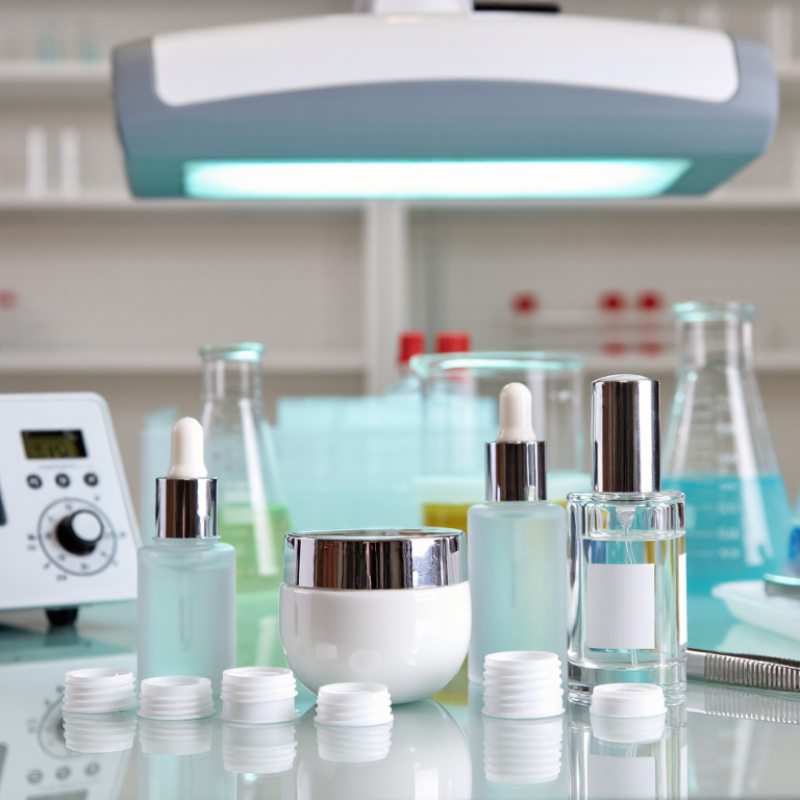
China Best How to Test Cosmetic Packaging Compatibility?

What Cosmetic Packaging Compatibility Testing Means

China Best How to Test Cosmetic Packaging Compatibility?

What Cosmetic Packaging Compatibility Testing Means

Cosmetic packaging compatibility testing checks how a formula and its container behave together over time. It is more than checking whether a bottle looks attractive. A cream may soften a gasket, stain plastic, or change a pump’s delivery. Fragrance oils can also affect seals and inner coatings. Testing should examine the complete package, including the bottle, cap, liner, pump, and decoration.

In practical work, samples are filled with the real formula and stored under controlled conditions. Common checkpoints include room temperature, elevated heat, light exposure, and repeated opening. Technicians inspect leakage, swelling, cracking, odor transfer, color change, viscosity, and closure performance. Weight loss matters too. A small reduction may indicate slow evaporation or poor sealing. Results should be photographed, measured, and recorded against unused controls. One test is never enough. Real shipping movement can reveal weaknesses that a quiet laboratory shelf misses.

Tips: Use production-intent packaging, not early prototypes. Test several samples from different batches. Check the package after transport simulation and repeated dispensing. Do not judge compatibility by appearance alone. A clear bottle can still hide chemical interaction. I have seen teams focus on leakage and overlook a pump that slowly loses dose accuracy. That detail deserves attention. Test conditions should match the product’s storage and usage reality, although perfect prediction is impossible. A documented protocol, trained evaluator, and independent review make the findings more reliable.

How to Test Cosmetic Packaging Compatibility?

What Cosmetic Packaging Compatibility Testing Means

Cosmetic packaging compatibility testing evaluates whether a container, closure, liner, or decoration remains suitable for the formula during storage and use. A practical screening program may compare room-temperature, warm-temperature, cool-temperature, and elevated-temperature exposure. Inspectors typically monitor appearance, odor, color, viscosity, leakage, deformation, weight change, and container interaction at defined checkpoints. The conditions shown are common screening examples rather than a universal regulatory requirement; the final protocol should reflect the formula, package material, filling process, and intended shelf life.

How to Select Samples and Define Test Conditions

How to Test Cosmetic Packaging Compatibility: How to Select Samples and Define Test Conditions

Select samples that represent real production, not only attractive inspection units. Use packaging from different batches, including the container, closure, pump, liner, and decoration. Test the smallest and largest fill volumes when both are commercially possible. This can reveal changes in pressure, leakage, or dispensing performance. Include samples with the intended cosmetic formula and suitable control samples. Empty-package testing alone is not enough.

Define conditions from the product’s actual journey. Store filled samples upright, inverted, and horizontally. Use realistic temperatures, humidity levels, light exposure, and transport vibration. A practical program may compare room-temperature storage with accelerated heat exposure. Record appearance, odor, color, viscosity, weight loss, leakage, cracking, swelling, and dispensing force. Check these properties at scheduled intervals, such as one, two, four, eight, and twelve weeks. Test opening and closing repeatedly.

Small details matter. Fill the package to its planned level. Allow headspace to match production. Inspect contact areas closely. A liner may soften before visible leakage appears. Package compatibility is not proven by appearance alone. In practice, teams sometimes choose too few samples and rush the observation period. That is a weakness worth admitting. Repeat unusual results, document every deviation, and have qualified personnel review the data before approval.

How to Conduct Compatibility Tests Step by Step

China Best How to Test Cosmetic Packaging Compatibility?

How to Conduct Compatibility Tests Step by Step

Start by recording the formula, packaging materials, batch numbers, and storage conditions. Check the container, closure, liner, decoration, and dispensing parts separately. Packaging compatibility is not only about leakage. It includes odor transfer, color change, swelling, cracking, stress whitening, and dose accuracy. ISO 22716 recommends controlled production and quality practices, but it does not replace product-specific compatibility testing.

Fill samples with the final formula, then prepare empty-package controls. Store them at room temperature, 40°C, and under freeze-thaw cycles. Test at least 1, 2, 4, 8, and 12 weeks.

Compare appearance, mass, pH, viscosity, odor, and microbial results against the controls. Use a calibrated balance and photograph every visible change. ASTM D4169 can support distribution simulation, while ASTM D4332 helps define conditioning environments. Small cracks matter.

Review the results with a written risk assessment. Packaging that passes one temperature may fail after repeated heating. The 2023 EPA report states that containers and packaging generated 82.2 million tons of municipal solid waste in the United States in 2018, showing why material selection also deserves attention.

A failed test is useful evidence, not wasted work. Still, accelerated aging is only an estimate. Real-time observation remains necessary, and some fragrance-rich formulas need longer exposure than planned.

How to Evaluate Product and Packaging Changes

China Best How to Test Cosmetic Packaging Compatibility?

Cosmetic packaging compatibility is not a one-time approval. When a formula, closure, decoration, or filling process changes, repeat the assessment. Small changes matter. An altered oil phase may soften a liner, while a new fragrance can cloud plastic. Evaluate the complete system, not only the container. Record the formula code, packaging material, fill weight, and production date for reliable comparison.

Keep an approved sample as the control. Fill test units with the proposed product and store them at room temperature, elevated temperature, and under light exposure. Inspect them at fixed intervals. Check color, odor, viscosity, leakage, swelling, cracking, and pump performance. Weigh each unit to identify slow product loss. For flexible tubes and airless packs, repeat dispensing cycles with real handling pressure. Laboratory migration or extractables testing may also be appropriate when ingredients contact packaging for long periods.

Packaging changes need a clear change-control record. Compare the original and revised components side by side, including seals, coatings, inks, and adhesives. A passing visual check is not enough. In practical evaluations, teams sometimes overlook the cap liner because the bottle appears unchanged. That mistake can delay launch decisions. Test results should include photographs, raw measurements, acceptance limits, and reviewer approval. Not every failure means rejection; some reveal a material interaction that needs better investigation. Retesting after one adjustment may still be insufficient.

China Best How to Test Cosmetic Packaging Compatibility? - How to Evaluate Product and Packaging Changes

Evaluation Dimension Packaging Change or Material Recommended Test Method Typical Test Conditions Key Measurements Typical Acceptance Criteria Suggested Duration Risk Level
Chemical Compatibility Plastic bottle, tube, jar, or closure in direct contact with the formula Product–packaging compatibility aging study with control samples 25°C and 40°C; ambient and accelerated storage; product filled at normal level Color, odor, appearance, pH, viscosity, weight, leakage, and container deformation No visible interaction; no unacceptable odor or color change; no leakage; product remains within approved specifications 12 weeks accelerated; 6–12 months real-time when applicable High
Extractables and Leachables Polymer, elastomer, adhesive, ink, coating, or recycled-content component Targeted chemical screening and risk-based analytical testing Worst-case formula, elevated temperature, and extended contact period Potential migrants, volatile compounds, elemental impurities, and odor-active substances No identified substance above applicable regulatory or internal safety limits Initial screening in 4–8 weeks; confirmation based on risk assessment High
Moisture and Oxygen Barrier Single-layer or multilayer bottle, tube, sachet, or pouch Water vapor transmission rate and oxygen transmission rate testing Controlled temperature and relative humidity selected for the product’s storage profile Moisture gain or loss, oxygen exposure, product weight, color, odor, and oxidation indicators Barrier performance meets the product-specific shelf-life requirement 1–4 weeks for instrumental testing; longer for filled-pack confirmation High
Seal and Closure Integrity Cap, pump, liner, induction seal, weld, or heat-sealed pouch Visual inspection, vacuum or pressure decay, dye penetration, and torque testing Filled units tested before and after aging, transport simulation, and repeated opening Leak rate, closure torque, seal continuity, opening force, and reclosure performance No leakage or seal channel; closure remains functional and within defined torque range 1–3 weeks High
Dispensing Performance Pump, dropper, spray actuator, squeeze tube, or airless dispenser Repeated-use dispensing study using representative users or controlled equipment Normal orientation, inverted orientation where relevant, and low-fill condition Dose weight, spray pattern, priming strokes, residual product, clogging, and backflow Consistent dose and operation throughout intended product life; no unacceptable clogging or backflow 2–4 weeks Medium–High
Mechanical Strength Bottle, jar, tube, cap, carton, or structural component Compression, top-load, drop, impact, and deformation testing Filled and empty samples; testing at ambient and low-temperature conditions where relevant Cracks, dents, permanent deformation, closure separation, and post-test leakage No breakage or loss of function; package remains protective after defined impacts 1–2 weeks Medium–High
Thermal Stability Any package exposed to filling, storage, shipping, or consumer temperature changes Temperature cycling and controlled high- and low-temperature storage Multiple cycles between refrigerated, ambient, and elevated temperatures as justified by distribution data Warping, paneling, delamination, leakage, brittleness, and dispensing changes No permanent deformation, cracking, delamination, or loss of seal integrity 1–3 weeks Medium–High
Light and UV Protection Clear, translucent, tinted, or opaque primary package Light-transmission measurement and product photostability comparison Controlled visible and ultraviolet exposure using a defined reference package Spectral transmission, color, odor, active-marker content, and product appearance Package provides sufficient protection to keep critical product attributes within specification 2–6 weeks Medium
User Interaction and Usability Changed shape, opening system, actuator, label, or grip surface Handling assessment, opening-and-closing cycles, and representative-use observation Normal and wet-hand use; include users with different hand strengths where appropriate Opening force, grip, dosing control, readability, spill rate, and user errors Intuitive operation, controlled dispensing, readable information, and no foreseeable misuse hazard 1–3 weeks Medium
Transport and Distribution New package configuration, secondary pack, pallet pattern, or shipping case Vibration, shock, compression, and environmental distribution simulation Test profile based on intended transport routes, stacking height, and handling conditions Breakage, leakage, scuffing, label damage, load stability, and package deformation Product arrives intact, sealed, legible, and fit for sale after simulated distribution 1–2 weeks Medium–High
Microbiological Protection Open-mouth jar, refill system, pump, dropper, or airless container In-use contamination study and preservation efficacy verification as applicable Repeated consumer-use simulation under defined handling and storage conditions Microbial counts, contamination recovery, preservative performance, and package backflow No unacceptable microbial increase; packaging does not compromise product preservation 2–4 weeks High
Label and Decoration Durability Pressure-sensitive label, direct print, varnish, foil, or shrink sleeve Adhesion, rub, chemical-resistance, humidity, and light-exposure testing Contact with formula, water, oil, alcohol-containing materials, and normal handling conditions Peeling, smearing, fading, blistering, readability, and barcode scan performance Information remains legible, attached, and scannable throughout intended shelf life 1–4 weeks Low–Medium
Evaluation Note: Test conditions and acceptance criteria should be confirmed through a documented risk assessment. Final conclusions should compare the changed package with the approved reference package using the same product batch, fill level, storage conditions, and measurement methods.

How to Document Results and Confirm Packaging Safety

A reliable compatibility record begins with a clear product and packaging description. Record the formula code, container material, closure type, production lot, and test start date. Photograph each sample before testing. Note color, odor, surface condition, fill weight, and closure torque. Small changes matter.

Not every result is clean. Store samples under room temperature, heat, cold, light, and repeated temperature cycles. Use an untreated control when possible. Inspect at scheduled intervals, such as 7, 14, 28, and 90 days. Document leakage, swelling, cracking, discoloration, odor transfer, label damage, and weight loss. Measure rather than relying only on appearance. Include instrument names, calibration status, operator initials, and raw readings. A short video can clarify a difficult leakage observation.

Safety confirmation requires more than a passing visual check. Compare results with predefined acceptance criteria and the intended storage period. Qualified technical staff should review chemical interaction data, extractables information, and relevant cosmetic packaging requirements. If a result exceeds the limit, record the deviation and investigate its cause. Do not quietly remove an inconvenient sample. Our first review once focused too heavily on appearance and missed a gradual weight loss. That mistake changed our checklist. Final approval should identify the tested configuration, evidence reviewed, unresolved uncertainties, and the person authorizing release. Further testing may be necessary when the formula, packaging material, supplier, or filling process changes.

FAQS

What is cosmetic packaging compatibility testing?

It checks how a cosmetic formula and its complete package behave together over time. A cream may soften a gasket, stain plastic, or reduce pump accuracy. Looks can mislead.

Which packaging parts should be tested?

Test the bottle, cap, liner, pump, seal, coating, decoration, ink, and adhesive. A hidden liner may react even when the bottle looks unchanged. Check every contact point.

What conditions are commonly used during testing?

Store filled samples at room temperature, elevated heat, and under light exposure. Include repeated opening, dispensing, and transport simulation. Real movement matters.

What problems should evaluators inspect?

Check leakage, swelling, cracking, odor transfer, color change, viscosity, and closure performance. Measure weight loss to detect evaporation or weak sealing. Photographs help.

Why should production-intent packaging be used?

Early prototypes may use different materials, seals, or manufacturing methods. Production-intent units provide more realistic evidence. Prototype results can disappoint.

How can pump and dispensing performance be evaluated?

Repeat dispensing cycles using realistic hand pressure and product volume. Record dose consistency, clogging, leakage, and closure recovery. A pump can slowly lose accuracy.

When should compatibility testing be repeated?

Repeat testing after formula, closure, decoration, material, or filling-process changes. A small oil-phase change may soften a liner. A new fragrance may cloud plastic.

What records should a reliable test include?

Record the formula code, packaging material, fill weight, production date, storage conditions, and inspection times. Keep unused controls for comparison. Raw measurements matter.

Does a failed result always mean the package must be rejected?

Not always. It may reveal a material interaction requiring further investigation or adjustment. Retest after one change, but do not assume one retest proves safety. Perfect prediction is impossible.

Conclusion

Cosmetic packaging compatibility testing is a structured process used to confirm that a product and its container remain safe, stable, and visually acceptable throughout storage and use. To understand how to test cosmetic packaging compatibility, begin by selecting representative packaging samples, product batches, closures, and materials. Define realistic test conditions, including temperature, humidity, light exposure, storage duration, and orientation, while also including control samples for comparison.

Conduct the test step by step by filling the packaging, sealing it properly, recording initial observations, and inspecting it at planned intervals. Evaluate changes such as leakage, swelling, cracking, discoloration, odor transfer, deformation, label damage, formula separation, and changes in texture or performance. Results should be documented with clear test conditions, photographs, measurements, observations, and acceptance criteria. Final confirmation should consider both product quality and packaging integrity, ensuring the selected packaging remains suitable and reliable for its intended use.

Aria

Aria

Aria is a dedicated marketing professional with a deep passion for innovative strategies and a keen understanding of our company's product offerings. With a wealth of experience in the industry, Aria excels at crafting engaging content that highlights the unique features and benefits of our......