How to Reduce Plastic in Beauty Packaging for Global Buyers

Time:2026-09-14 Author:Aria
0%

Reducing plastic in beauty packaging is no longer a niche sustainability ambition. It is a practical requirement for global buyers, retailers, and responsible brands. Yet the challenge is more complex than replacing a plastic jar with a paper box. Packaging must protect creams from contamination, survive long shipping routes, and remain convenient in bathrooms. It must also fit local recycling systems, which differ widely between markets.

Ellen MacArthur, founder of the Ellen MacArthur Foundation, states: “We need to eliminate the plastic we don’t need, innovate so the plastic we do need is 100% reusable, recyclable, or compostable, and circulate all the plastic we use.” Her principle offers a useful direction for beauty companies. Start with less material. Then examine refill systems, lightweight bottles, recycled content, mono-material pumps, and concentrated formulas. A smaller cap can matter. So can removing an unnecessary inner tray.

The best solution is rarely the most fashionable one. A refill pouch may use less plastic, but it can create collection problems in some regions. Glass may feel premium, yet its weight increases transport emissions. Paper can look natural, but moisture resistance may require hidden coatings. These trade-offs demand testing, supplier evidence, and honest communication. Some decisions will remain imperfect. That is the point worth examining.

This guide explores how to reduce plastic in beauty packaging through measurable, market-aware choices. It helps global buyers compare materials, question green claims, and design packaging that performs beyond the product launch.
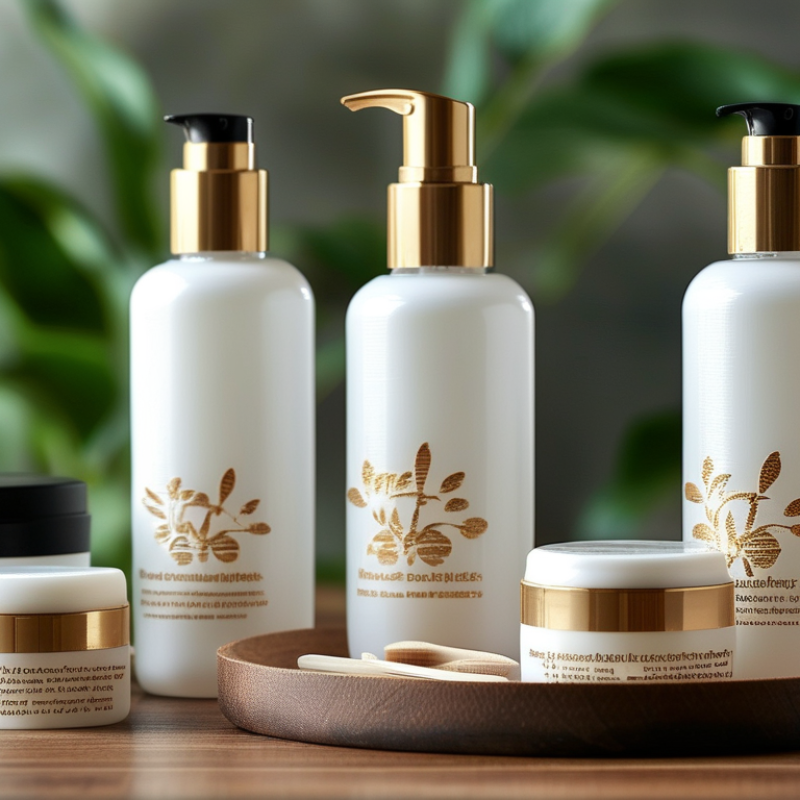
How to Reduce Plastic in Beauty Packaging for Global Buyers

Understanding Plastic Use in Beauty Packaging

Understanding plastic use in beauty packaging starts with viewing the package as a system, not one object. A 30 ml serum may contain a bottle, pump, dip tube, cap, label, and adhesive. Each component can use a different plastic. PET bottles are often clear and rigid, while PP caps resist heat and impact. Small parts matter. Pumps can be difficult to separate and recycle.

In packaging reviews, I often see buyers focus only on the bottle weight. That misses hidden plastic. Multi-layer tubes may contain several plastic grades and barrier layers. These layers protect formulas from oxygen, light, or moisture, but they can complicate recycling. Buyers should request a complete bill of materials, component weights, polymer information, and recycled-content records. Ask for measured data. Supplier declarations are useful, but documents alone need verification. Testing should cover leakage, drop resistance, formula compatibility, and shelf life. A lighter pack is not better if it cracks during shipping.

Plastic reduction also involves uncomfortable trade-offs. A thinner wall can reduce resin, yet increase damage and product waste. Refill packaging may lower material use, but only when customers reuse the container. Recycling systems differ across countries and regions. A package accepted in one market may be rejected in another. I have seen thoughtful designs become less practical when a full-body sleeve covered the recycling information. That mistake is easy to repeat. Global buyers can compare plastic grams per filled unit, recycled content, separability, and the actual recovery route available in each target market.

Assessing Packaging Materials and Environmental Impacts

For global beauty buyers, packaging choices should begin with evidence, not appearance. In 2019, packaging created about 142 million tonnes of plastic waste. It represented 40% of total plastic waste, according to the OECD’s Global Plastics Outlook. A lightweight jar can still carry a heavy footprint. Virgin resin, mixed polymers, and attached parts often complicate recovery. Material assessment should cover extraction, manufacturing, transport, use, and disposal.

Plastic reduction is not simply a switch from plastic to glass. Glass feels durable, yet its weight can increase transport emissions. Aluminum can be highly recyclable, but mining and refining require substantial energy. Paper may perform poorly when coatings or pumps block fiber recovery. The Ellen MacArthur Foundation reported that only 14% of plastic packaging was collected for recycling globally. Recyclable in theory is not always recyclable locally. Buyers should request resin type, recycled content, component weights, and collection assumptions.

Refill systems and concentrated formulas can reduce material demand. They still require hygiene testing and clear instructions. UNEP’s 2023 Turning off the Tap report estimates that plastic pollution could fall by 80% by 2040 through reuse, recycling, and redesign. The estimate is ambitious. Practical trials often reveal return logistics, leakage, and low refill participation. Those failures deserve recording, too. A smaller package is not automatically better; compare its full life cycle, not only its shelf appearance.

Selecting Recyclable, Refillable, and Lightweight Alternatives

How to Reduce Plastic in Beauty Packaging for Global Buyers

Recyclable packaging can reduce waste, but local systems determine its real value. A jar marked recyclable may still fail if collection facilities cannot process it. Global buyers should request clear material details, recycling guidance, and test results from suppliers. Single-material containers are often easier to sort than mixed-material designs. However, they may not protect every formula equally well.

Refillable packaging offers another practical option. A durable outer case can hold replaceable inner cartridges or pouches. This reduces repeated use of glass, plastic, and closures. The refill must be easy to open, clean, and store. Complicated systems discourage customers. I have seen attractive refill concepts lose value when replacement units cost too much or arrive heavily packaged. That weakness deserves honest review.

Tips: Compare the package weight, refill ratio, and shipping impact. Ask whether refill parts are accepted in key markets. Choose lightweight bottles, thinner walls, and smaller caps when safety allows. Avoid removing essential barriers just to reduce material. Test leakage, heat exposure, and drop resistance before placing large orders. Keep labeling simple and readable. Packaging choices are rarely perfect, and a lighter format may create new durability concerns. Reliable buyers should measure the full life cycle, not only the plastic used at production.

How to Reduce Plastic in Beauty Packaging for Global Buyers - Selecting Recyclable, Refillable, and Lightweight Alternatives

Packaging Format Lower-Plastic Alternative Typical Material Structure Indicative Plastic Reduction Recycling Considerations Refill Potential Suitability for Global Buyers
Cream Jar Glass jar with a lightweight refill cup Glass outer jar; polypropylene or polyethylene refill cup; compatible closure Up to approximately 60–80% less plastic when the outer jar is reused several times Remove refill cup and closure components where local collection systems require separation; glass is widely recyclable but collection varies by market High; designed for multiple refill cycles Suitable for premium skincare, provided breakage protection and transport weight are managed
Lotion or Serum Bottle Monomaterial polyethylene or polypropylene bottle with a compatible pump HDPE or PP bottle; preferably an all-polyolefin pump with minimal metal and elastomer components Approximately 10–30% lower packaging weight than a rigid multi-material pack, depending on design Monomaterial construction improves sorting potential; pumps may need removal because they commonly contain mixed materials Medium; refill pouches or replacement cartridges can be added if the neck and pump system are standardized Good for international distribution because it is lightweight and less breakable than glass
Shampoo or Body Wash Bottle Lightweight HDPE bottle or concentrated solid format HDPE bottle with PP cap, or a paperboard-free solid bar format Approximately 15–40% lower plastic use for lightweight bottles; solid formats can eliminate the primary plastic container HDPE and PP are technically recyclable in many systems, but actual acceptance depends on local infrastructure and product residue Medium to high through refill pouches, bulk dispensing, or replacement tablets Strong option for e-commerce and export markets because lightweight formats reduce transport volume and breakage risk
Mascara Tube Refillable outer tube with replaceable product cartridge Reusable PP or aluminum outer case; replaceable PP cartridge; brush and wiper system Approximately 30–60% less material over several refill cycles Small components, brushes, wipers, and mixed-material assemblies are often difficult to recycle through household systems High if the cartridge is replaceable and the outer case remains durable Best for controlled refill programs and premium ranges with clear consumer instructions
Lipstick or Balm Refillable metal or durable plastic case with replaceable inner cartridge Aluminum or PP outer case; PP or biodegradable-compatible cartridge, subject to local claims requirements Approximately 25–50% less packaging material over repeated use Separate metal and plastic parts where possible; avoid inseparable decoration, magnets, and coatings that hinder recovery High for standardized refill cartridges Suitable for travel retail and export because of compact size and low shipping weight
Makeup Compact Magnetic or clip-in refill pan system Reusable PP, aluminum, or fiber-based outer case; replaceable pans Approximately 40–70% lower outer-packaging demand when the case is reused Metal pans may be recoverable in specialist streams; mirrors, magnets, adhesives, and mixed materials can reduce recyclability High for eyeshadow, blush, powder, and highlighter pans Good for modular product lines, but refill dimensions should be standardized across markets
Sachet or Sample Pack Mono-PE or mono-PP flexible pouch, or a paper-based pack only where barrier performance is sufficient Single-polymer flexible film with compatible sealant and low-ink decoration Approximately 20–50% lower material weight than small rigid containers Flexible packaging is not accepted in all household recycling systems; clear labeling and market-specific collection checks are essential Low; better suited to concentrated refills or trial sizes than repeated consumer refilling Useful for sampling and low-volume distribution, subject to local recycling availability
Secondary Carton Right-sized uncoated paperboard carton with minimal inserts FSC-certified or recycled paperboard, water-based inks, and limited coatings where feasible Approximately 10–30% lower material use through right-sizing and insert removal Paperboard is widely recyclable when clean and free from excessive laminates, foil, plastic windows, and wet-strength treatments Not applicable; use as a recyclable secondary pack rather than a refill component Highly suitable for global markets, subject to local fiber-recycling rules and labeling requirements

Data note: Plastic-reduction figures are indicative design ranges, not guaranteed results. Actual performance depends on pack size, wall thickness, closure design, product formula, refill cycles, transport requirements, and local recycling infrastructure. “Recyclable” refers to technical recyclability; access to collection and reprocessing facilities varies by country.

Designing Packaging for Global Market Requirements

Global beauty packaging must satisfy different market requirements, not just reduce plastic weight. A lighter pack can still fail if it cracks during shipping or leaks in humid storage. From packaging trials, I have learned that material reduction must follow performance testing. Start with the product formula, filling process, and distribution route. Mono-material bottles often simplify recycling decisions. However, pumps, springs, labels, and adhesives may weaken that advantage. Test the complete package, not only the container. It must survive drop tests, compression, heat, cold, and repeated opening.

Global buyers also need clear evidence. Packaging specifications should state resin type, recycled content, component weight, and disassembly instructions. Use labels that remain readable after oil, water, and handling exposure. Avoid claims such as “fully recyclable” without checking local collection systems and current requirements. Rules differ between markets, and guidance can change. Verify them with qualified local specialists. EPR obligations may also affect material records and supplier declarations. Keep those documents organized.

Design teams should discuss recycling access early. A refill pouch may use less plastic, but it needs a practical collection route. Glass can reduce plastic, yet it adds transport weight and breakage risk. There is no perfect format. I once approved a thin closure that looked efficient, but it distorted under pressure testing. That mistake changed our review process. Suppliers should provide test data, not only attractive samples. Ask for migration, compatibility, and transport results when relevant. Small details matter: a removable label, a washable surface, and a cap that separates cleanly.

Measuring Plastic Reduction Across the Supply Chain

Reducing plastic in beauty packaging starts with measurement, not lighter-looking jars. Global buyers should map every gram from resin production to warehouse delivery. The OECD Global Plastics Outlook (2022) reports that only 9% of plastic waste was recycled worldwide in 2019. This makes “recyclable” a weak result unless collection and reprocessing are verified. Record primary plastic, closures, pumps, labels, and protective film separately. Include recycled content, transport distance, and packaging loss.

Tips: Ask suppliers for weight tickets, resin certificates, and recycled-content evidence. Weigh ten units from different production batches. Samples can mislead. Track grams per finished product, not per carton alone. Compare refill systems carefully; extra components may erase savings. Use a shared spreadsheet with batch numbers, dates, and supplier declarations.

For supply-chain comparison, calculate plastic intensity: grams of virgin plastic per 100 uses or per millilitre of product. The Ellen MacArthur Foundation’s Global Commitment reports identify reuse and recyclability as important packaging interventions. However, design alone cannot guarantee recovery. The UN Environment Programme’s Turning off the Tap report (2023) warns that plastic pollution could nearly triple by 2040. Buyers should request third-party audits and mass-balance explanations where relevant. Our measurements may still be imperfect. Factory moisture, labels, and rejected units can distort totals. Publish the method, not just the reduction percentage.

FAQS

Why should beauty packaging be reviewed as a complete system?

A 30 ml serum may include a bottle, pump, dip tube, cap, label, and adhesive. Each part can use different plastics. Small components matter. The bottle is only one piece.

Which plastic details should global buyers request?

Request a complete bill of materials, component weights, polymer types, and recycled-content records. Ask for measured data, not declarations alone. Documents can be incomplete.

Why can lightweight packaging create problems?

Thinner walls use less resin but may crack during shipping. Leakage can damage cartons and waste the formula. Lighter is not always better.

Are single-material packages easier to recycle?

Usually, single-material designs are easier to sort and process. However, one material may not protect every formula. Oxygen, light, and moisture still matter.

What makes pumps and tubes difficult to recycle?

Pumps may contain several materials and small internal parts. Multi-layer tubes can include barrier layers and different plastic grades. Separation is often difficult.

Does a recyclable symbol guarantee real recycling?

No. Local collection and processing systems decide the outcome. A package accepted in one region may be rejected elsewhere. Check the actual recovery route.

When can refillable packaging reduce plastic use?

Refill systems can reduce repeated use of outer containers. The refill must open, clean, store, and ship easily. Complicated designs discourage customers.

What tests should be completed before a large packaging order?

Test leakage, drop resistance, heat exposure, formula compatibility, and shelf life. Compare filled-unit weight and shipping performance. A careful design can still fail.

How can buyers compare packaging options fairly?

Compare plastic grams per filled unit, recycled content, separability, refill ratio, and shipping impact. Review the full life cycle. One number rarely tells the whole story.

What common packaging mistake deserves more attention?

A full-body sleeve can cover recycling information. Replacement refills may also arrive with excessive packaging. These details are easy to overlook. Recheck them.

Conclusion

Reducing plastic in beauty packaging requires a clear understanding of where plastic is used, why it is selected, and how it affects the environment throughout its life cycle. Global buyers can begin by assessing packaging materials, including containers, closures, pumps, labels, and protective shipping components, while comparing factors such as recyclability, recycled content, durability, weight, and transport emissions. This evaluation helps identify practical opportunities to replace unnecessary plastic with recyclable, refillable, reusable, or lightweight alternatives without compromising product safety or usability.

A successful strategy for how to reduce plastic in beauty packaging must also consider the requirements of different international markets, including disposal systems, consumer expectations, labeling needs, and supply chain conditions. Packaging should be designed for efficient production, shipping, sorting, and recovery wherever possible. By tracking material usage, packaging weight, recycled content, refill rates, waste generation, and transport efficiency across the supply chain, buyers can measure progress, identify weaknesses, and continuously improve their environmental performance.

Aria

Aria

Aria is a dedicated marketing professional with a deep passion for innovative strategies and a keen understanding of our company's product offerings. With a wealth of experience in the industry, Aria excels at crafting engaging content that highlights the unique features and benefits of our......