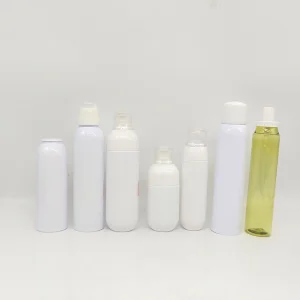
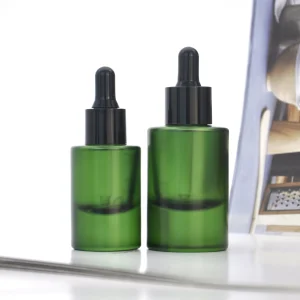
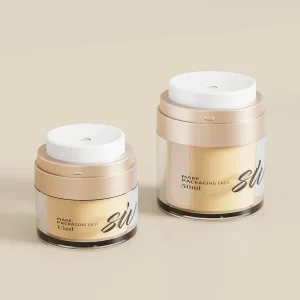
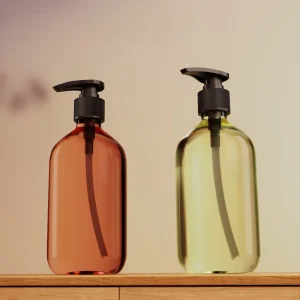
Explore our elite portfolio of high-precision glass and polymer packaging, engineered to meet the stringent demands of global cosmetics and pharmaceutical brands.
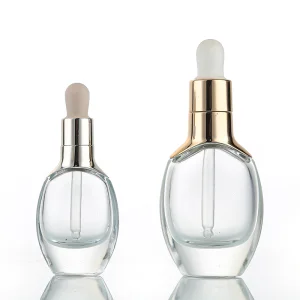
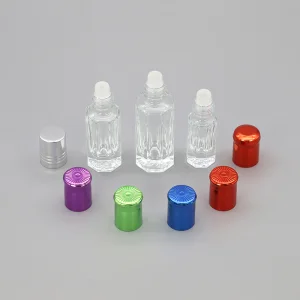
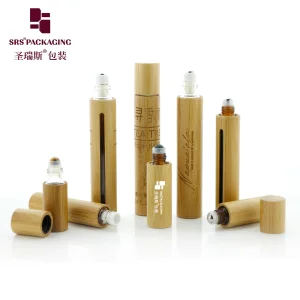
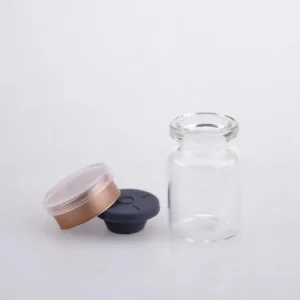
The global pharmaceutical and cosmetic industries depend heavily on structural packaging integrity. Among all container formats, the crimped glass vial remains the gold standard for preserving sterile solutions, highly volatile compounds, and active biological ingredients. The shift toward modern therapeutic protocols and luxury cosmetic formulations has accelerated the demand for high-integrity barrier systems. Finding a reliable China crimped glass vial exporter is a critical component of global strategic sourcing.
In analytical chemistry, pharmaceutical packaging, and high-end skincare manufacturing, the integrity of a container is paramount. The crimp neck design, when sealed correctly with an elastomeric closure and an aluminum or flip-off cap, creates a hermetic barrier that protects the inner formulation from ambient oxygen, moisture, and microbial contamination. This whitepaper analyzes the manufacturing technology, quality standards, supply chain dynamics, and regulatory compliance that buyers must evaluate when selecting a manufacturing partner in China.
Early pharmaceutical packaging relied heavily on standard soda-lime glass, which was highly susceptible to chemical leaching and hydrolytic degradation. This vulnerability limited the shelf-life of liquid formulations. The industry has since transitioned to high-performance Borosilicate Glass (Type I), which is now the industry standard for crimped vials.
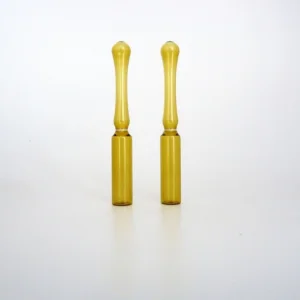
Type I borosilicate glass contains boron trioxide, which provides low thermal expansion and high chemical resistance. It minimizes the risk of glass delamination—a process where sub-micron glass flakes shed from the inner surface due to interaction with the liquid product. For sensitive cosmetic products like vitamin serums and single-use ampoules, this chemical stability ensures the formulation remains potent and safe.
Modern manufacturing technology has also improved dimensional tolerances. Precision-formed crimp finishes (typically 11mm, 13mm, or 20mm outer diameters) ensure a consistent, leak-proof seal. Variations in the crimp lip thickness can cause inconsistent sealing pressures, which may lead to seal failure or vial breakage during mechanical capping. Leading exporters use automated camera inspection systems to measure every vial's dimensions down to the micrometer.
For multinational pharmaceutical companies and high-volume cosmetics brands, sourcing crimped glass vials is a strategic procurement decision. Key considerations extend beyond unit cost to include overall quality, regulatory compliance, and supply chain reliability. Global buyers must balance quality standards with logistics and supplier stability.
All materials must comply with FDA, USP <660>, EP 3.2.1, and ISO 15378 standards to ensure chemical compatibility and patient safety.
Strict adherence to ISO 8362-1 neck finish standards ensures seamless compatibility with automated high-speed filling lines.
Glass structures must withstand high-temperature autoclaving, dry-heat depyrogenation, and gamma irradiation without degradation.
A key challenge in the supply chain is managing transit risks. Glass vials are fragile and susceptible to friction scratching, micro-cracks, and particulate contamination during shipping. Leading Chinese exporters mitigate these risks by using cleanroom packaging, vacuum-sealed plastic wraps, and custom nest-trays that prevent glass-to-glass contact during transport.
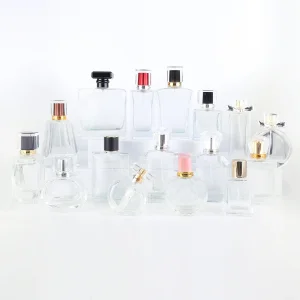
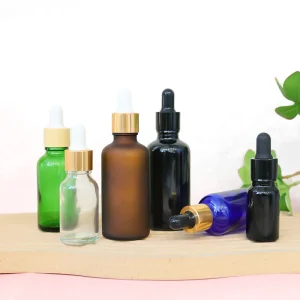
Dongguan Aurelia Glass Co., Ltd. specializes in glass packaging for cosmetics. Their products include water, lotion, cream bottles, essence bottles, perfume bottles, foundation liquid bottles, etc., all made of glass. We offer one-stop processing services such as surface sanding, color spraying, screen printing, and hot stamping for glass bottles.
The company firmly believes in the business philosophy of "Quality is the foundation, service is the essence, and talent is the soul", actively applying modern high technologies and convenient communication methods, combined with diverse information.
With 10+ years of experience as a packaging supplier, Dongguan Aurelia Glass Co., Ltd. is a supplier that integrates the design, development and production of cosmetic packaging products. It provides services specifically for cosmetic brands.
High-quality crimped glass vial production requires precise temperature control during the glass-forming and annealing stages. Precision tubular glass converting processes require specialized control over flame temperatures, tube rotation speeds, and dimensional monitoring systems. Variations in these factors can lead to internal stresses within the glass structure.
Annealing is a critical stage in the manufacturing process. Vials are heated and cooled at controlled rates to relieve internal thermal stresses. Properly annealed vials can withstand high mechanical pressure, which is crucial during the crimp-capping process. Imprecise annealing can lead to structural failures, resulting in micro-cracks that compromise the vial's seal during sterilization or storage.
Surface treatments can further improve chemical durability and barrier performance. Options include internal siliconization, which creates a hydrophobic barrier that reduces product interaction with the glass surface. This is particularly beneficial for high-value biological drugs and premium cosmetic serums, as it ensures near-total product recovery. Exporters also offer external decorative options like electrostatic spraying, screen printing, and hot stamping to support brand differentiation without compromising glass integrity.

Our mission is to become the most trusted packaging partner for global customers. We are committed to providing innovative, sustainable, and high-quality packaging solutions to help brands stand out in the highly competitive market. Through continuous improvement of manufacturing technologies, optimization of operational processes, and strict quality control standards, we redefine excellence in the packaging field to ensure that every detail meets the needs and visions of our customers.
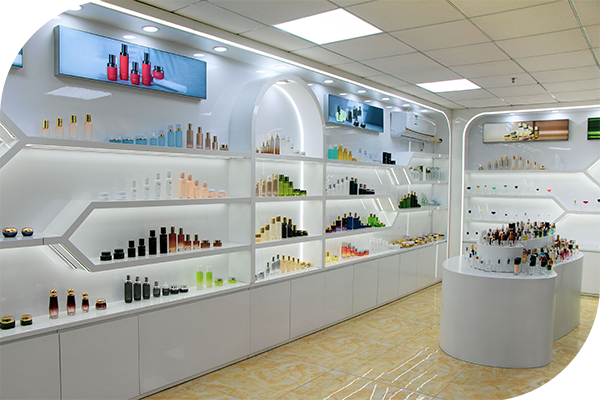
In our Guangzhou Exhibition Hall, we offer a wide variety of products. In this cosmetic bottle exhibition hall, you can touch and experience our range first-hand. Various types of cosmetics bottles are showcased under professional lighting, displaying their unique texture and quality. Here, you can find a broad range of products tailored to your brand's specific needs.
The glass packaging industry is evolving, driven by sustainability goals, smart manufacturing, and the need for improved barrier properties. Over the next five years, key technological trends will shape the production and deployment of crimped glass vials globally.
Reducing the carbon footprint of glass manufacturing is a high priority. Glass lightweighting techniques allow manufacturers to reduce vial weight by 10% to 15% while maintaining mechanical strength. This is achieved by optimizing the glass geometry and using advanced chemical tempering processes. Lightweight vials reduce raw material consumption and lower transportation emissions throughout the supply chain.
Advanced optical inspection systems are increasingly incorporating machine learning algorithms. Traditional vision systems can generate false rejects on benign cosmetic marks. AI-driven vision systems can distinguish between cosmetic surface variations and structural defects like micro-cracks. This helps optimize yield rates and ensures reliable quality control during production.
Modern clinical trials and high-end luxury supply chains require robust unit-level traceability. Future technical roadmaps include laser-marking unique 2D data matrix codes directly onto the vial shoulder or base. This enables end-to-end tracking from the glass converter through the filling line to the end consumer, helping to secure the supply chain and deter counterfeits.
Technical advice and answers to common queries regarding crimped glass vials and sourcing.
Examine our advanced, specialty product formulations and custom containers designed for global regulatory markets.
 Aurelia Glass